

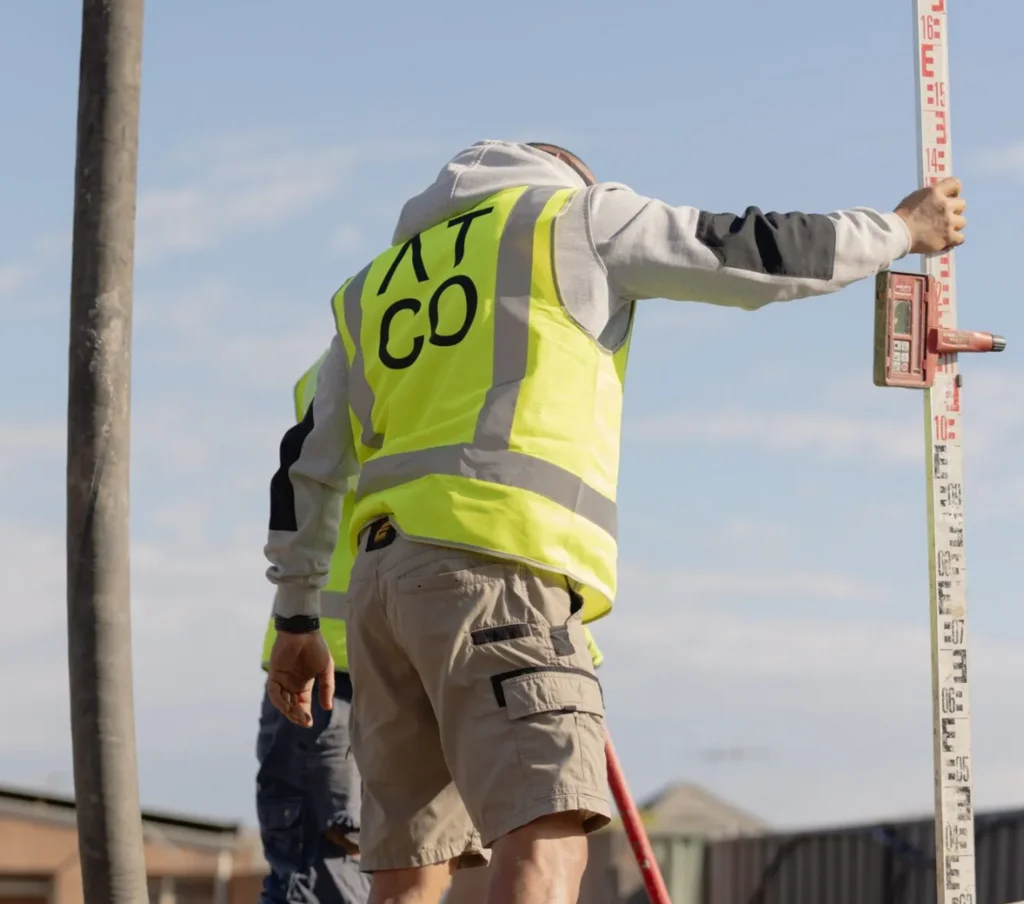
Successful construction projects do not happen by chance. They require planning, coordination, risk management and clear communication from start to finish. If you want to understand how structured project oversight helps deliver high quality outcomes, you can visit our page at atcoprojects.com.au to learn more about expert management services designed for both residential and commercial builds. Professional project management ensures every stage of construction is handled with accuracy, from early design work to handover.
Whether you are developing a new home, renovating an existing space or managing a multi-stage commercial build, having an experienced team oversee the process helps prevent delays, cost blowouts and unexpected problems. Construction carries many moving parts, and proper coordination ensures each element fits together as planned.
Why Project Management Matters in Construction
Project management is the backbone of any well executed construction job. It allows builders, clients, subcontractors and consultants to work together effectively without confusion or overlapping responsibilities.
Clear Scope and Direction
A project manager defines what needs to be done, when it must be completed and how resources will be used. This clarity helps everyone move forward with confidence.
Controlled Costs
Budgets are developed early and tracked throughout the build. When unexpected issues arise, a project manager helps adjust plans while protecting financial targets.
Structured Communication
All parties receive timely updates, reducing misunderstandings and ensuring decisions are made with accurate information.
Risk Reduction
Project managers identify potential issues early and prevent them from escalating into bigger problems.
These benefits highlight why oversight is one of the most important elements of a successful construction job.
Stages of a Well Managed Construction Project
Every project is different, but most follow a similar structure. Professional management ensures each stage flows smoothly.
Planning and Consultation
Before any work begins, the project manager meets with the client to understand goals, budget, design preferences and timelines. Feasibility assessments help determine what is realistic.
Design and Documentation
Architects, engineers and consultants prepare drawings, plans and reports. A project manager oversees this coordination to ensure everything aligns with the intended scope.
Approvals and Compliance
Council approvals, certifications and regulations must be addressed before construction. A project manager handles documentation, submissions and communication with authorities.
Construction Phase
Trades are scheduled, materials are ordered, budget is monitored and site safety is maintained. Progress is checked regularly against timelines and specifications.
Final Handover
The project manager ensures all work is completed, inspected and handed over with proper documentation and client guidance.
Each stage benefits from the professional structure and oversight a project manager provides.
Common Challenges in Construction and How Project Management Helps
Many issues can disrupt a build. With proper management, these risks can be reduced.
Unexpected Delays
Weather, supply shortages or site conditions can interrupt progress. A project manager adjusts schedules and liaises with trades to minimise downtime.
Budget Overruns
Material changes or missed details can impact costs. Management teams track expenses closely and advise on suitable alternatives when needed.
Coordination Problems
With multiple trades on site, timing is important. Project managers schedule each step to avoid overlap and maintain safety.
Quality Control
Without proper checks, small issues can lead to bigger problems later. Thorough inspections help maintain standards across all stages.
Regulatory Requirements
Construction must follow strict codes. Managers ensure work complies with building regulations to avoid legal or safety problems.
These challenges show why having structured oversight is essential in modern construction.
The Value of Strong Communication During a Build
Communication is one of the biggest contributors to project success. Without it, confusion and delays become common.
Client Updates
Regular updates help clients understand what is happening on site and provide reassurance that the project is progressing as planned.
Trade Coordination
Electricians, plumbers, carpenters and other trades need accurate schedule information. Project managers support smooth collaboration.
Issue Resolution
If something unexpected arises, clear communication helps resolve it quickly.
Transparent Reporting
Budget updates, site reports and progress summaries keep everyone informed and aligned.
Good communication prevents costly mistakes and builds trust throughout the project.
Why Time Management Is Critical
A well planned timeline keeps construction organised. Project managers map out tasks in detail to ensure work flows without interruption.
- Materials are ordered ahead of time
- Trades arrive when needed
- Inspections are scheduled properly
- Site access is managed efficiently
Effective time management helps avoid extended build times and keeps the project aligned with client expectations.
How Project Management Improves Quality
Quality outcomes rely on precision, craftsmanship and careful oversight.
Regular Site Inspections
Project managers monitor progress and ensure work meets standards before moving to the next stage.
Collaboration With Skilled Trades
Only qualified, experienced trades are selected. Their work is reviewed and coordinated for consistency.
Documentation and Records
Detailed plans, variations and reports support accurate construction and future reference.
Focus on Long Term Durability
Attention is placed not just on appearance, but also on structural performance and reliability.
Quality control protects your investment and ensures the final result meets expectations.
Safety and Compliance in Construction
Safety is a key part of any organised construction project. Project managers take responsibility for ensuring the site is compliant.
Safe Work Practices
Trades follow established safety procedures to protect themselves and others onsite.
Hazard Identification
Potential risks are flagged early and addressed before work continues.
Compliance With Codes
Building regulations, fire safety and engineering standards are followed at every stage.
Proper Documentation
Safety records and compliance certificates provide proof that work meets legal requirements.
Protecting workers, clients and the community is a central part of project management.
Signs You Need a Professional Project Manager
Not every project begins with a dedicated manager, but certain circumstances make professional oversight essential.
- The build involves multiple trades
- Council requirements are complex
- You have strict timelines or budgets
- The project includes structural changes
- You want to minimise risk and stress
- You prefer professional coordination of communication
These situations benefit greatly from expert management services.
Why More Clients Are Choosing Professional Oversight
Construction projects can be stressful without support. More homeowners and business owners now choose project managers because:
- They want fewer surprises
- They prefer a single point of contact
- They value organised and transparent processes
- They want confidence that work is done correctly
- They need help navigating technical and regulatory requirements
Professional oversight gives clients peace of mind and improves the final outcome.
Conclusion
Building, renovating or expanding a property is a major investment, and having expert support helps ensure everything runs smoothly. When you want professional guidance for your next project, you can visit our page at atcoprojects.com.au to learn how dedicated project management brings structure, clarity and confidence to every stage of construction. With clear planning, strong communication and reliable coordination, your project can progress efficiently while maintaining high quality and safety standards.
